
The cultural significance of casinos in modern society
The Evolution of Casinos
Casinos have transitioned significantly from their inception to their current state in modern society. Originating in the 17th century as small gaming houses, these establishments have evolved into elaborate complexes that offer a variety of entertainment options. With the introduction of technological advancements, particularly online gaming platforms, the accessibility of casinos has broadened tremendously. This evolution not only reflects changes in societal norms regarding gambling but also indicates a shift in how leisure activities are perceived and enjoyed. For those interested in exploring more options online, lizaro casino ie provides a unique experience tailored for Irish players.
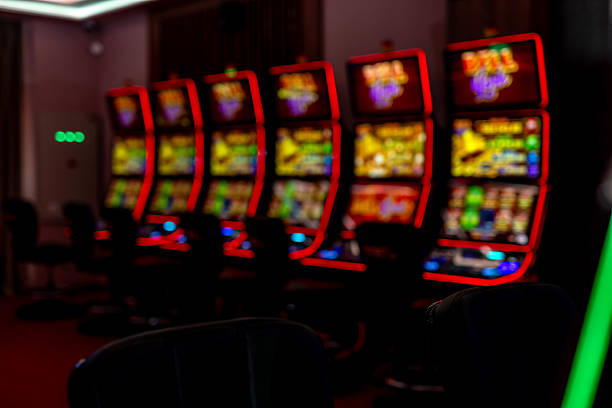
In contemporary culture, casinos are no longer solely venues for gambling; they have become social hubs where people gather to celebrate, relax, and enjoy entertainment. The aesthetics of modern casinos, often designed with luxury and grandeur, play a crucial role in attracting visitors. These spaces encompass restaurants, theaters, and nightclubs, creating a multifaceted environment that enhances the overall experience for patrons. As a result, casinos are now intertwined with social interactions, creating a communal atmosphere.
Furthermore, the rise of online casinos has transformed gambling into a more private experience while still holding cultural significance. Players can engage in gaming from the comfort of their homes, but the interaction remains critical. Online platforms often incorporate live dealers and chat functions, retaining a social element and allowing players to connect. This blend of traditional casino culture with modern technology showcases the adaptability of the gambling industry in meeting contemporary demands.
Casinos as Economic Contributors
Casinos significantly contribute to local and national economies, providing employment opportunities and generating substantial tax revenue. In regions where casinos are prevalent, they often become a primary source of jobs, from floor staff to management and service roles. These establishments attract not only gamblers but also tourists, who contribute to the local economy through spending on hotels, restaurants, and attractions. This influx of visitors can revitalize struggling areas and promote economic growth.
The tax revenues generated by casinos play a crucial role in funding public services such as education, healthcare, and infrastructure. Many jurisdictions allocate a portion of gambling taxes to community projects, reinforcing the idea that casinos can positively impact society. For example, several states have used casino revenues to fund educational programs, showcasing how gambling can serve a greater good beyond mere entertainment.
Moreover, casinos often sponsor local events and community initiatives, further solidifying their presence and influence in the local culture. By fostering community relationships, casinos can enhance their reputation and contribute to a positive image. The symbiotic relationship between casinos and their host communities underscores their significance as more than just entertainment venues; they become integral to local identity and social fabric.
The Role of Luck and Skill in Gambling
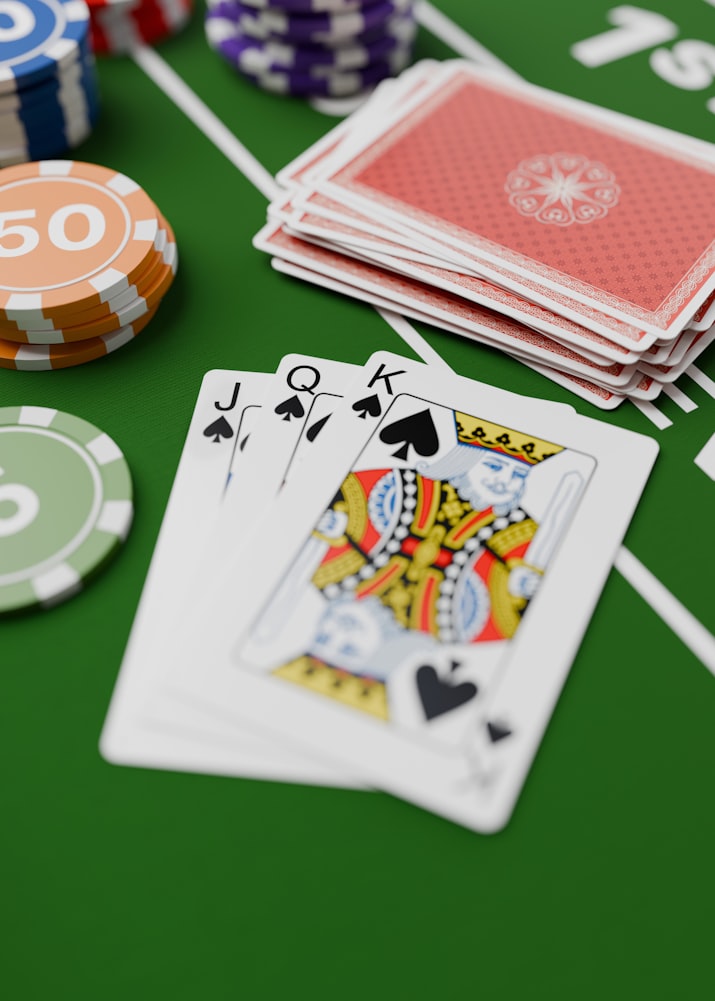
The debate surrounding luck versus skill in gambling is pivotal in understanding the cultural significance of casinos. Many traditional games, like poker and blackjack, require a degree of skill and strategy, while others, such as slots and roulette, are purely chance-based. This distinction influences players’ perceptions and engagement, leading to varied experiences in gambling. The thrill of luck in games of chance often entices players, creating a sense of excitement and unpredictability.
Skill-based games often attract a different demographic, appealing to those who enjoy strategy and competition. Players of poker, for instance, can invest time in learning the intricacies of the game, which can foster a sense of community among players. These games also offer the potential for significant financial returns, which can enhance their appeal. As a result, casinos have adapted by promoting skill-based games, creating tournaments and events that celebrate players’ expertise.
Understanding the balance between luck and skill can enhance the overall gambling experience. Players who perceive themselves as skilled may approach gambling differently, often with more investment in the outcomes. This dynamic fosters a diverse gambling culture where different preferences coalesce, enriching the casino environment. Thus, the interplay of luck and skill continues to shape modern gambling experiences and the cultural narrative surrounding casinos.
Social and Psychological Aspects of Gambling
Casinos serve as important social spaces where individuals can engage in communal experiences. The act of gambling is often accompanied by social interactions, whether at physical gaming tables or online chatrooms. This social aspect can enhance the overall experience, fostering connections among players. People often visit casinos not just to gamble but to socialize, celebrate milestones, or escape daily routines, reinforcing the idea that casinos function as modern-day gathering places.
Moreover, the psychological allure of gambling is significant. The thrill of potential wins, the ambiance of excitement, and the social interactions contribute to a unique psychological experience. For some, gambling can act as a stress relief or a form of escapism. However, this can also lead to problematic gambling behaviors, which society is increasingly recognizing. The cultural narrative around casinos has to incorporate responsible gaming practices to ensure player safety and well-being.
Understanding the social and psychological implications of casinos is essential for creating a balanced perspective on their role in modern society. By recognizing both the positive and negative aspects, stakeholders can work towards fostering a culture of responsible gambling, ensuring that casinos remain enjoyable and safe environments. This balance is crucial for maintaining the cultural significance of casinos while addressing the challenges associated with gambling.
Conclusion and the Future of Casino Culture
The cultural significance of casinos in modern society is multifaceted, reflecting their evolution as entertainment, economic contributors, and social hubs. As technology continues to advance, the landscape of gambling is likely to change further, incorporating more interactive and immersive experiences. The integration of virtual reality and artificial intelligence may redefine how players engage with games and with each other, pushing the boundaries of casino culture.
Moreover, the emphasis on responsible gambling will shape the future of casinos, ensuring that they contribute positively to society. As awareness grows regarding gambling addiction and its effects, casinos will need to adopt measures that promote safe gaming environments. This responsibility can enhance their reputation and align with the broader cultural shift towards health and well-being.
Ultimately, the cultural significance of casinos will continue to evolve, adapting to societal changes and technological advancements. By understanding their impact and addressing the challenges, casinos can remain vibrant parts of contemporary culture, balancing entertainment with responsibility. As platforms like Lizaro Casino demonstrate, the gaming experience can be redefined, paving the way for a new era in the gambling industry.